skilled Battlefield Home Services for durable finishes
Renovate Your Home: The Ultimate Handyman's Guide for Breathtaking Kitchen and Bathroom Transformations
Revamping a home, particularly bathrooms and kitchens, necessitates careful planning and informed choices. Homeowners often encounter decisions about layouts, materials, and whether to hire professionals or handle projects independently. Each component plays a vital role in creating visually appealing and functional areas. Understanding these elements can lead to stunning transformations. The following sections will explore essential tips and strategies that can elevate these areas of the home considerably.
Must-Have Materials for Your Kitchen and Bathroom Remodel
A range of critical components can significantly enhance the outcome of a kitchen and bathroom remodel. Premium cabinetry makes a notable difference, offering both practicality and visual appeal. Work surfaces crafted from durable materials such as natural stone or quartz provide a functional yet attractive surface, withstanding routine use and stress.
In addition, floor covering choices like ceramic tiles or luxury vinyl can revitalize the area while making upkeep simple. Backsplash options, from glass to decorative tiles, bring personality while safeguarding walls from water damage. Hardware including faucets and light fixtures, ought to be picked with consideration for both aesthetics and long-term performance.
When it comes to paint, premium, moisture-resistant choices are essential for both bathroom and kitchen spaces. Finally, incorporating eco-friendly materials can enhance sustainability. By deliberately choosing these materials, homeowners are able to establish a harmonious and welcoming space that satisfies both practical and visual requirements.
How to Select the Ideal Layout for Your Kitchen and Bathroom?
How can homeowners determine the ideal layout for their kitchen and bathroom? The journey starts by examining the space at hand and recognizing personal preferences. When it comes to kitchens, the "work triangle" approach—joining the sink, stove, and refrigerator—guarantees a streamlined workflow. Homeowners are encouraged to factor in traffic flow and the strategic placement of islands or bar seating to maximize usability.
Within bathrooms, functionality is essential. Homeowners should assess the necessity of dedicated spaces, like sinks and shower areas, to serve multiple occupants. Optimal fixture placement can make the most of available space, most notably in smaller bathrooms.
In both spaces, natural lighting and airflow ought to be given priority, which may influence window placement and design. Moreover, contemporary design trends and individual taste should be taken into account to achieve a harmonious appearance. By thoroughly examining these considerations, homeowners can select layouts that not only meet their practical needs while simultaneously improving the overall look and feel of the space.
Should You DIY or Hire a Professional
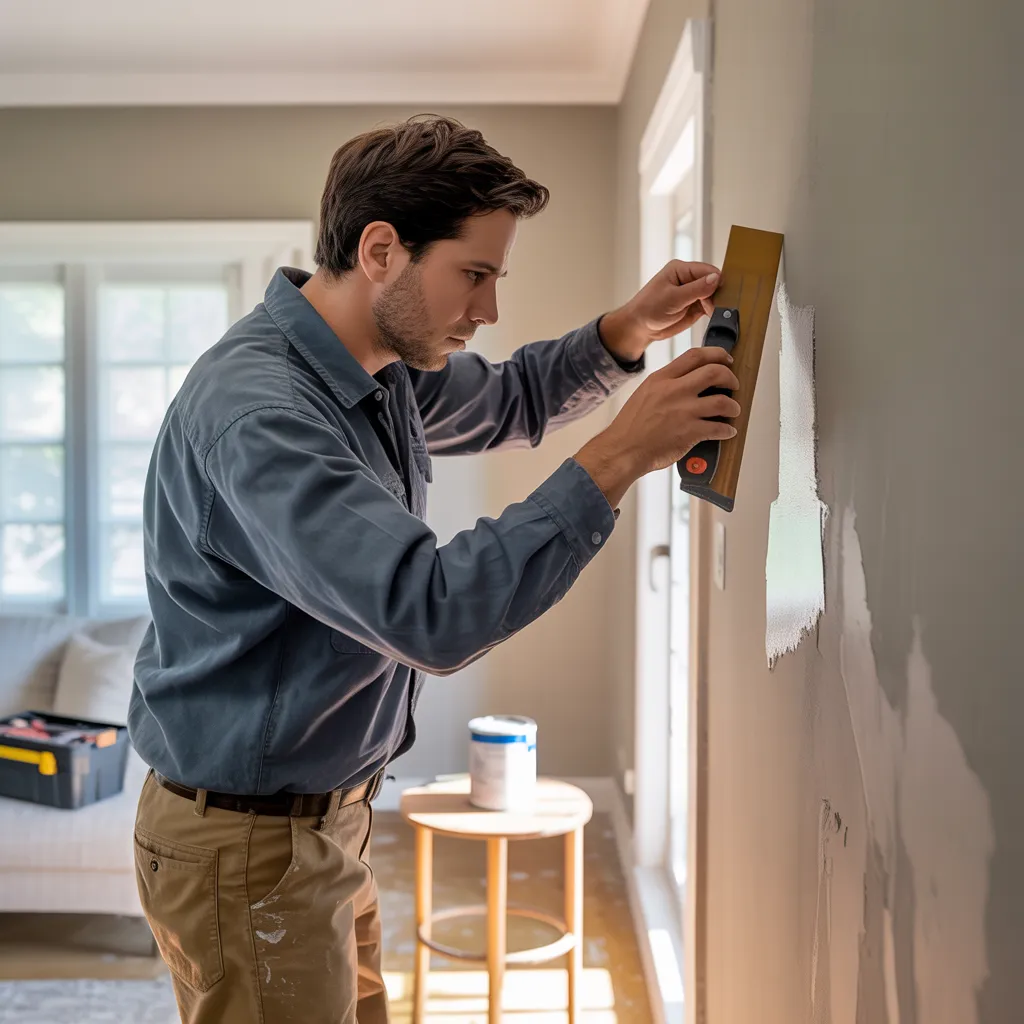
Determining whether to tackle home renovations through DIY efforts or by hiring professionals has a major effect on how a project turns out. Homeowners need to carefully consider their abilities, available time, and financial resources before deciding. Handling renovations independently can prove budget-friendly, letting individuals cut down on labor fees and experience personal fulfillment. That said, these endeavors demand a considerable amount of time and can result in errors that are expensive to correct.
On the other hand, working with professionals provides a greater degree of skill, productivity, and availability of specialized equipment. Experts are equipped to handle intricate tasks, conform to construction standards, and supply assurances for completed projects. Fundamentally, the determination rests on the homeowner's confidence in their abilities and the intricacy of the improvement work. With minor, uncomplicated tasks, self-directed work may prove satisfactory, while comprehensive remodeling efforts commonly yield better results with professional assistance.
Make the Most of Your Space: Smart Layout Strategies
In an effort to optimize living space, strategic layout choices can greatly enhance a home's livability. By prioritizing efficient storage solutions, maintaining seamless flow and functionality, and integrating versatile multi-purpose furniture, homeowners can establish a more productive living space. These intelligent layout strategies not only elevate the visual appeal but also enrich everyday living.
Improve Storage Solutions
Optimizing storage capacity plays a vital role in developing a practical and tidy household. For kitchen areas, making use of vertical areas with wall-mounted shelves or cabinets helps liberate precious countertop space. Installing pull-out drawers or rotating trays within cabinets improves ease of access and overall efficiency. For bathroom areas, shelves positioned over the toilet deliver more storage without taking up floor space. Selecting multipurpose furniture options, including ottomans equipped with hidden storage areas, can also contribute to a tidier environment. Additionally, employing transparent containers and labels within closets assists in preserving organization and clarity. By carefully putting these storage ideas into practice, residents can convert disorganized areas into neat, functional spaces that improve everyday life. Careful planning not only enhances practicality but also uplifts the general appearance of the home.
Function and Flow
Establishing an optimal sense of flow and function within a space is essential for enhancing everyday living. In kitchen design, the work triangle—including the refrigerator, stove, and sink—should enable efficient movement, reducing unnecessary steps during meal preparation. Likewise, in bathrooms, thoughtful placement of fixtures can improve morning routines. Open layouts can encourage a sense of spaciousness, while defined zones can improve functionality. For instance, adding islands in kitchens not only delivers additional counter space but also fosters social interaction. In bathrooms, evaluate the accessibility of storage and fixtures, confirming they align with user needs. At its core, prioritizing flow and functionality converts areas into practical environments, enhancing both comfort and efficiency in daily tasks.
Multifunctional Furniture Concepts
While many might overlook the potential of multi-use furniture, it serves as a game-changer in managing limited spaces. This innovative approach enables homeowners to maximize limited areas, especially in kitchens and bathrooms where space is commonly scarce. For instance, a dining table that serves as a home office can enhance productivity, while ottomans with hidden storage can reduce disorganization. Murphy beds transform guest rooms into functional spaces during the day, and wall-mounted shelves can act as stylish yet practical storage options. By introducing these adaptable furniture items, individuals can create environments that are not only visually appealing but also incredibly practical. Embracing multi-use furniture is a smart strategy for boosting practicality and coziness in any residential transformation.
Quick Design Tricks to Transform Your Kitchen and Bathroom
Refreshing a bathroom and kitchen can be attained through easy design strategies that make a significant impact. Repainting cabinet surfaces, swapping out hardware, and incorporating elegant backsplashes are excellent strategies to elevate these essential spaces. These improvements not check article only boost the overall look but also strengthen functionality and general satisfaction.
Transform Cabinetry with Paint
Refreshing kitchen and bathroom areas can be as effortless as transforming the cabinetry with a fresh application of paint. This simple approach can remarkably shift the atmosphere of these spaces without major remodeling. Choosing the right color is important; softer tones can evoke a bright ambiance, while bold hues add personality and drama. Preparation is key—cleaning, sanding, and priming the areas guarantees superior bonding and a refined outcome. Selecting top-grade paint made specifically for cabinets enhances durability and ease of cleaning. Finishing techniques such as glazing or distressing can infuse personality, enhancing the entire aesthetic. By concentrating on the cabinets, property owners can create a remarkable visual transformation, making their bathrooms and kitchens feel renewed and warm.
Upgrade Hardware Gracefully
A few simple updates to hardware can refresh the aesthetic of kitchens and bathrooms without an extensive remodel. Replacing outdated drawer pulls and cabinet knobs for contemporary options can create a fresh aesthetic. Selecting finishes such as brushed nickel or matte black delivers a current style, while antique brass can suggest timeless elegance. Moreover, replacing faucet handles can breathe new life into sinks, making them simultaneously useful and visually appealing. For a unified appearance, it is important to coordinate the hardware throughout all components, including appliances and cabinets. Incorporating unique designs, such as handcrafted elements or geometric patterns, can also add personality. Ultimately, these upgrades to hardware provide an affordable method to enhance the beauty and functionality of any space.
Add Stylish Backsplashes
Even though a total kitchen or bathroom overhaul can seem daunting, incorporating stylish backsplashes offers a straightforward way to elevate the space. Backsplashes fulfill both practical and decorative roles, shielding walls from water damage while contributing decorative appeal. Homeowners may select from a wide range of materials, like ceramic tiles, glass, and natural stone, providing opportunities for personal expression. Designs, hues, and textures can be blended to tailor the aesthetic, allowing for seamless coordination with current decor. For a fast refresh, peel-and-stick alternatives are accessible, providing an affordable and temporary solution. Additionally, using a bold design can create a focal point, capturing attention and elevating the overall atmosphere. With deliberate choices, backsplashes can turn simple spaces into sophisticated havens.

Maintenance Advice to Keep Your New Space Looking Fantastic
To guarantee that a newly transformed space stays fresh and welcoming, consistent care is important. When it comes to kitchens, regular cleaning of surfaces and appliances stops the accumulation of dirt and stains. Utilizing mild cleaning solutions helps maintain surfaces without causing damage. For bathroom spaces, routine checking of grout lines and caulk helps avoid mold development and moisture damage; replacing caulk when required is a wise practice.
Additionally, inspecting for leaks beneath sinks and around fixtures confirms that any concerns are handled in a timely manner. Keeping drains clear by using strainers serves to eliminate blockages and copyright drainage efficiency.
For both spaces, periodic comprehensive cleaning of cabinetry and shelving not only improves their look but also extends their longevity. Additionally, establishing a seasonal maintenance checklist can maintain the spaces in optimal shape. By applying these suggestions, homeowners can be confident their renovated kitchens and bathrooms stay as beautiful as when they were first finished.
Common Questions and Answers
What Are the Current Trends in Kitchen and Bathroom Design?
Recent trends in kitchen and bathroom design prioritize natural materials, open spaces, sustainable solutions, and smart technology. Minimalist fixtures, bold colors, and multifunctional layouts simultaneously elevate visual appeal while enhancing functionality for today's homes.
How Can I Stay on Budget During My Renovation?
To remain within budget throughout renovations, one should concentrate on necessary upgrades, create a detailed plan, determine a reasonable budget, track expenses diligently, and consider DIY options for smaller tasks to lower total costs successfully.
What Permits Do I Need for Remodeling My Kitchen or Bathroom?
To remodel a kitchen or a bathroom, one typically needs electrical permits, plumbing permits, and building permits. Requirements differ depending on your location, so checking local regulations and consulting with officials is strongly recommended before initiating any renovation project.
What Is the Typical Timeline for a Kitchen or Bathroom Makeover?
A common kitchen or bathroom renovation usually takes between four and eight weeks, subject to the scale of the renovation, materials selected, and contractor availability. Careful planning and scheduling can help ensure a smoother renovation process.
How Should I Handle My Old Fixtures and Materials?
Outdated fixtures and materials can be reused, contributed, or recycled. Many local charities accept usable items, while recycling centers handle materials like metals and plastics. Choosing eco-friendly options promotes sustainability and reduces landfill contributions.